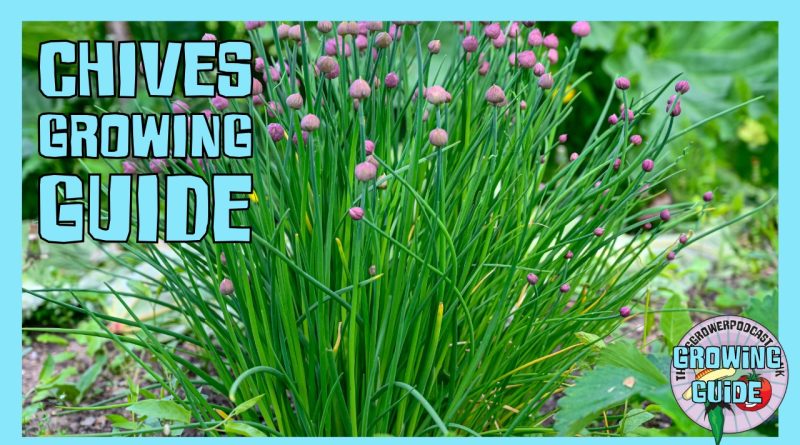
How to Grow Chives – From Seed to Harvest
Chives are one of the easiest and most rewarding herbs you can grow. They take up very little space, grow happily in pots or the ground, and once established, they’ll keep coming back year after year.
Whether you’re growing on a kitchen windowsill, a balcony, or down on the allotment, chives are a brilliant place to start.
Why Grow Chives?
Chives earn their keep in the garden and the kitchen.
- Easy to grow from seed
- Perfect for pots, windowsills, and small spaces
- Perennial – they return every year
- Useful companion plant in the garden
- Great flavour for salads, eggs, soups, and potatoes
They’re also ideal if you’re itching to sow something early in the year.
When to Sow Chives
Chives can be sown:
- Indoors: from late winter onwards on a windowsill
- Outdoors: from spring once the soil starts to warm
For most people, sowing indoors first gives the best results.
How to Sow Chives from Seed
You don’t need anything fancy.
What you’ll need
- Small pots or module trays
- Multi-purpose compost
- Chive seeds
Sowing method
- Fill your pot with compost and gently firm it down.
- Scatter the chive seeds thinly over the surface.
- Cover with a very light layer of compost – no more than a few millimetres.
- Water gently.
- Place somewhere warm and bright, such as a kitchen windowsill.
Germination can take 2–3 weeks, sometimes a little longer, so be patient.
Growing On
Once the seedlings appear, they’ll look very fine and grassy – that’s completely normal.
- Keep the compost just moist, not wet
- Turn pots regularly so seedlings grow straight
- No need to pot on straight away – chives are happy growing in clumps
If growing indoors above a radiator, check moisture levels regularly as pots can dry out quickly.
Planting Out
When the weather improves, indoor-grown chives can be moved outside.
- Harden off gradually over 7–10 days
- Plant into the ground or larger pots
- Space clumps about 20–25 cm apart
Chives prefer a sunny or lightly shaded spot and well-drained soil.
How to Harvest Chives
You can start harvesting once chives reach about 10–15 cm tall.
- Use scissors to snip what you need
- Leave around 2–3 cm above the compost
- Harvest little and often to encourage new growth
Never pull chives out – cutting keeps the plant productive.
Long-Term Care
Chives are perennial and very low maintenance.
- They’ll die back over winter and regrow in spring
- Clumps get bigger each year
- Every few years, divide clumps to keep plants healthy
Dividing also gives you free new plants for other areas of the garden.
Companion Planting Benefits
Chives are part of the onion family and can help deter certain pests. They work well planted near:
- Carrots
- Lettuce
- Roses
- Fruit bushes
Having pots of chives dotted around the garden is never a bad idea.
Common Problems
Chives are generally trouble-free, but watch out for:
- Waterlogging in winter
- Pots drying out indoors
- Overcrowded clumps after several years
Good drainage and occasional division usually solve most issues.
Why Chives Are Worth Growing
From one small sowing, you can enjoy fresh harvests for years. They’re reliable, versatile, and perfect for gardeners of all experience levels.
If you’re only growing one herb this year, chives would be a very strong contender.
Until next time, please take care